26 Eylül 2026 Cumartesi$ 48,88 TL€ 55,69 TL
Makale
Safer and Faster Evacuation – Improving the Safety of Evacuation Routes

Maintaining security in public buildings, commercial buildings and hospitals has also become a top priority, as a result of numerous tragic events around the world. This awareness of public safety; underlining how to prevent problems, sense danger and alert during an emergency and initiate evacuation, forcing building managers to re-evaluate their safety strategies.
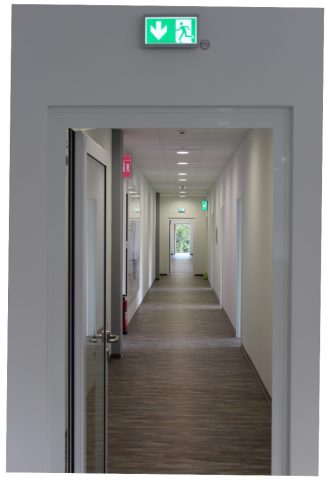
However, it's not enough just to do proper planning. The important thing is to implement the measures that will work in the long term during the planning stages. For example, evacuation planning is very important for large buildings. Because these buildings are vulnerable to potential hazards such as fire, terrorist attacks, civil unrest, major crime or severe weather conditions.
Studies of prominent events around the world and academic research examining the behavior of large groups during an emergency situation reveal that congestion occurs in case of panic, it becomes difficult to determine safe exit places and therefore the evacuation process is disrupted.
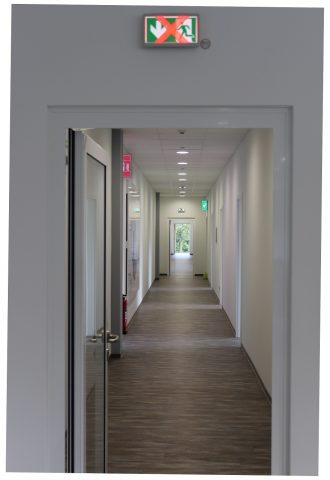
How can building owners and managers guarantee the fastest and safest exit under rapidly changing conditions?
It is possible to do this by implementing adaptive evacuation technology , which has the ability to change in real time according to movements in the environment. Currently, in many buildings, traditional static emergency exit signs are used as basic guidance tools. However, during an emergency, the use of predetermined routes may not be possible, due to the location or nature of the threat. Adaptive evacuation technology provides greater flexibility with direction signals, which change the directions shown according to the current threat and illuminate occupants to direct them to the safest and fastest exit.
Yorum yapmak için giriş yapın.
Henüz yorum yok. İlk yorumu siz yapın!